
Achieving a straight, healthy smile involves evaluating advanced modern dental technologies alongside reliable traditional techniques. Misaligned teeth can affect overall biting pressure, lead to premature enamel wear, and make daily brushing more difficult.
If anyone is ready to explore structural alignment paths, reviewing available comprehensive dental services helps patients make an educated decision before an initial office visit. Consulting with an experienced dentist in Forney, TX, allows patients to receive a highly personalized assessment tailored to specific structural and cosmetic dental needs.
The Physiological Impact of Structural Tooth Misalignment
How does crowded dental positioning influence long-term periodontal health?
When permanent teeth overlap significantly, they form tight spaces that trap food debris and harbor harmful plaque biofilm. These hard-to-reach areas are difficult to clean with standard floss, increasing the risk of localized gum inflammation and deep enamel cavities.
Why is proper bite alignment essential for joint and muscular harmony?
An uneven bite forces jaw muscles to work much harder during normal chewing, which can place stress on the temporomandibular joints. Correcting these structural misalignments reduces muscle tension, prevents chronic facial discomfort, and protects teeth from stress-related fractures.
Understanding the Engineering Behind Clear Removable Aligners
How do clear thermoplastic trays guide teeth into the proper position?
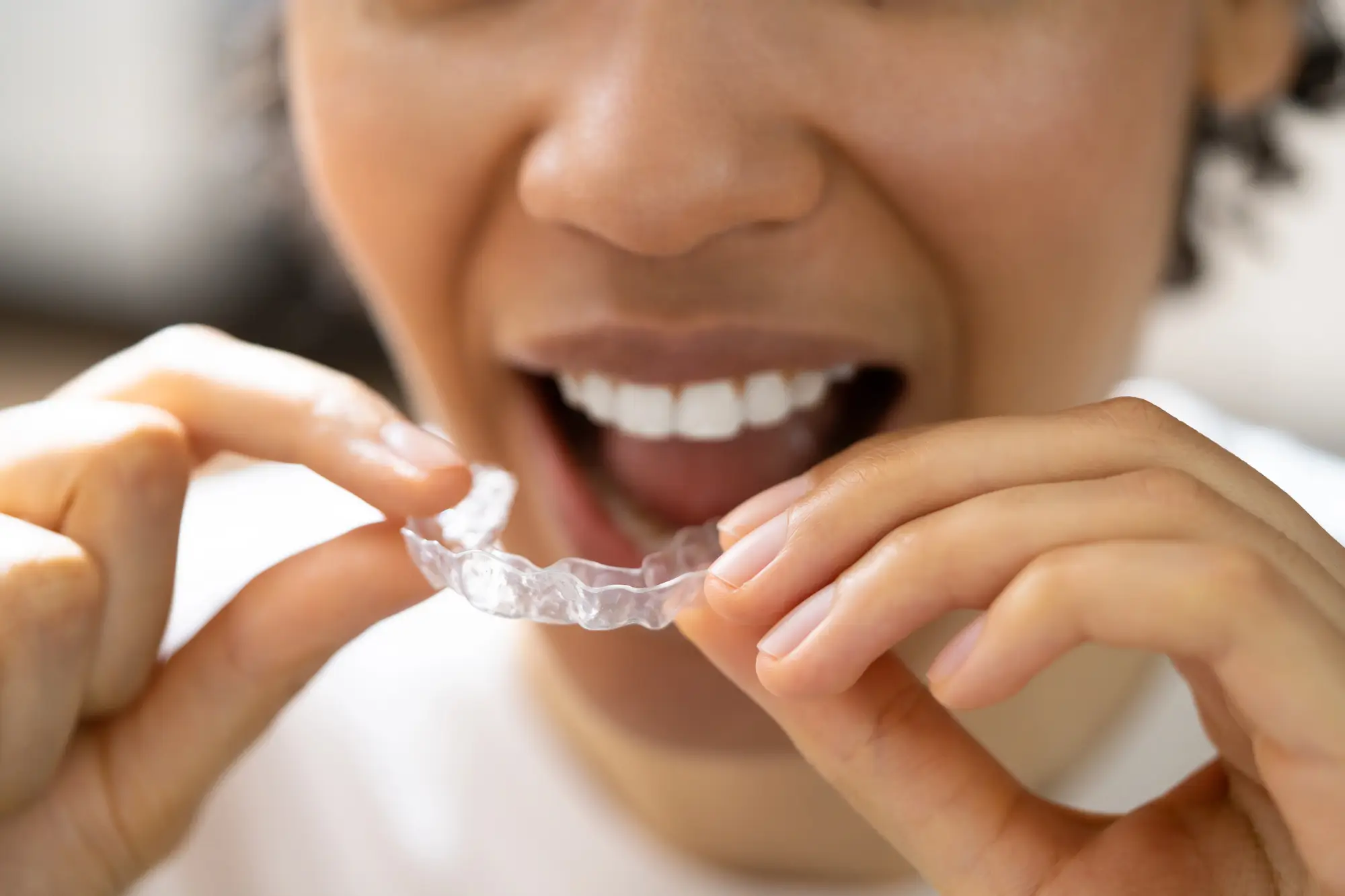
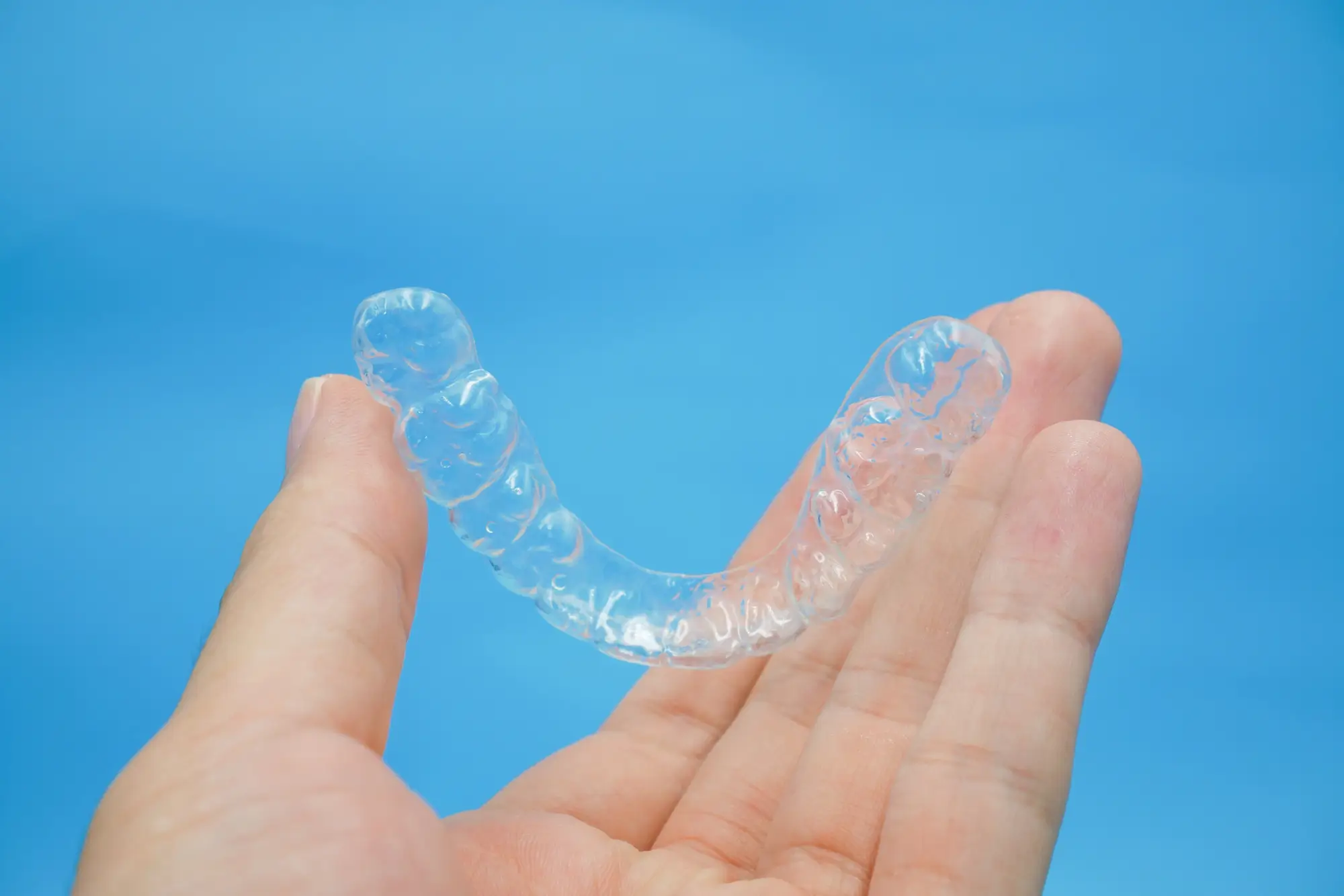
Removable aligner systems utilize a sequence of custom-molded plastic trays to apply continuous, gentle pressure to specific teeth. Each progressive tray moves teeth a fraction of a millimeter, gradually tracking toward ideal dental alignment.
What diagnostic planning tools map out clear alignment therapy?
Clinicians utilize high-definition intraoral scanners to build a complete three-dimensional digital map of the current dental anatomy. Reviewing historical treatment data on an informative dental publication index allows individuals to explore how advanced mapping software coordinates orthodontic care.
Evaluating Traditional Fixed Brackets and Wires
How do fixed orthodontic appliances correct severe structural complications?
Traditional fixed appliances utilize high-grade metal or ceramic brackets bonded directly to the enamel surfaces and connected by flexible archwires. This fixed design provides a steady, multi-directional force that is highly effective for rotating roots and correcting complex vertical bite discrepancies.
Why does fixed hardware remain a reliable clinical standard for complex cases?
Because the patient cannot remove traditional brackets, they provide non-stop corrective forces that ensure predictable tooth movement. National clinical repositories note that traditional fixed hardware provides excellent, predictable structural movement to address severe structural jaw relationship concerns.
Comparing Daily Lifestyle Factors and Maintenance Habits
How do removable aligner trays impact daily nutritional routines?
Removable systems allow patients to remove alignment trays before every meal, so they can continue enjoying their usual crunchy or sticky foods. Patients looking for dietary guidelines can browse a specialized orthodontic food guide for guidance on balancing nutrition and maintaining appliance hygiene.
What specialized hygiene habits are required for traditional fixed appliances?
- Utilize small interdental brushes to thoroughly clean underneath the metal wires.
- Incorporate specialized floss threaders to navigate between bonded brackets daily.
- Avoid biting directly into crisp, whole apples or hard pretzel twists.
- Rinse with protective fluoridated washes to strengthen exposed enamel surfaces.
The American Dental Association notes that maintaining careful daily orthodontic hygiene standards prevents surface staining and decay around alignment hardware. Neglecting these routines can lead to surface decalcification and soft tissue irritation during treatment.
Treatment Duration and Structural Planning Realities
How do clinical tracking timelines differ between the two options?
Clear tray therapies often achieve targeted cosmetic alignment in shorter timeframes for mild to moderate crowding concerns. Conversely, complex cases involving skeletal discrepancies require the constant, anchored forces of traditional brackets over a multi-year period to achieve stable results.
Why is consistent patient compliance vital for clear aligner success?
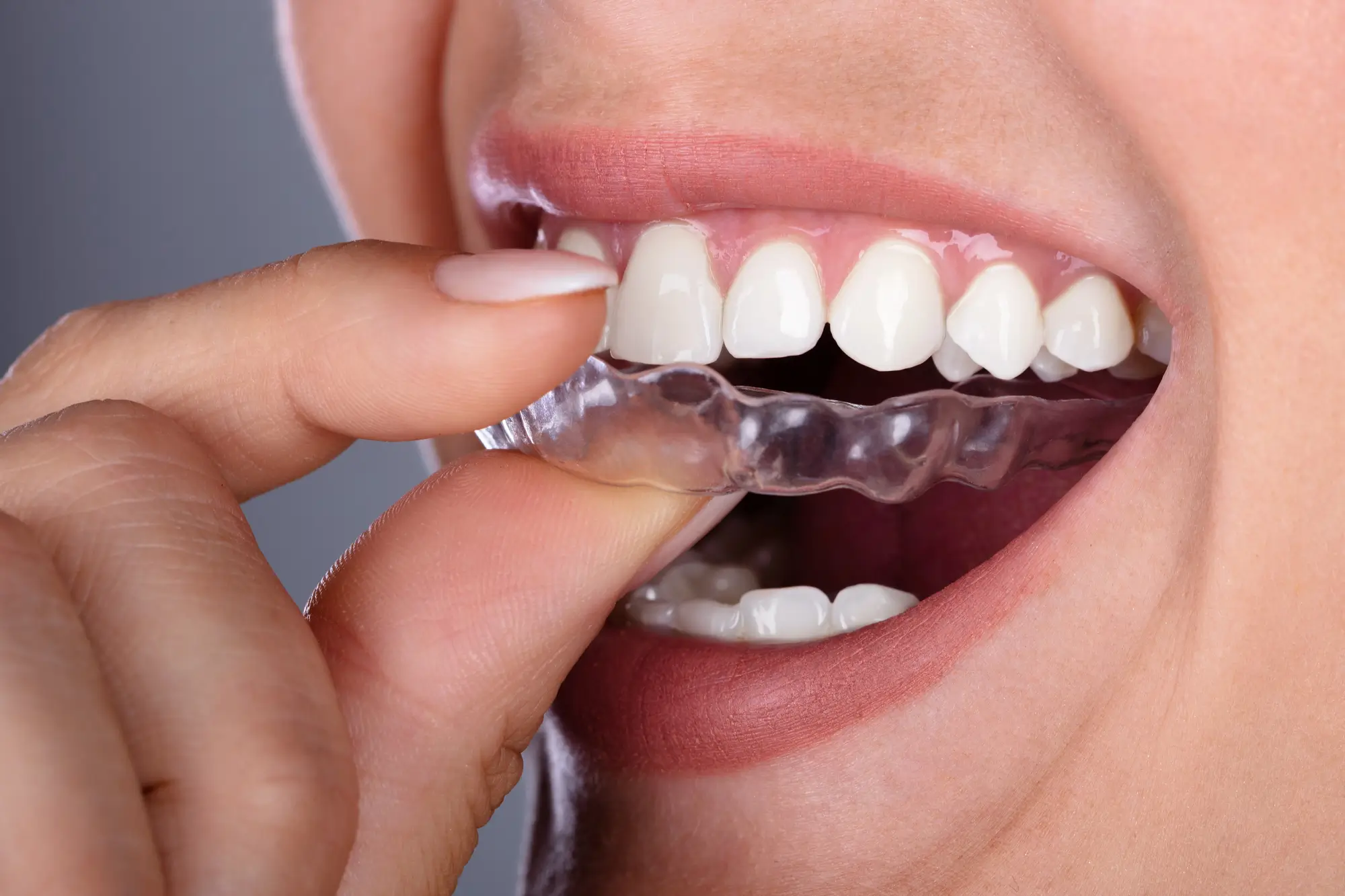
Clear trays must be worn for twenty-two hours every day to keep teeth moving according to the digital treatment plan. Analyzing a detailed orthodontic alternative comparison outlines why consistent tray compliance dictates the final success of the realignment process.
Material Configurations and Cosmetic Priorities for Adults
Why do adult professionals prefer modern, clear dental trays?
The medical-grade polyurethane material is virtually invisible during normal conversations, allowing adults to straighten their smiles discreetly. This cosmetic advantage helps busy professionals undergo treatment without the noticeable appearance of traditional metal archwires.
What modern aesthetic modifications are available for traditional brackets?
Patients who need traditional fixed brackets can choose tooth-colored ceramic options that blend in naturally with the enamel. Public health resource centers indicate that modern ceramic options offer a discreet fixed alternative to standard metal brackets while delivering the same structural correction.
Biological Adaptation of Bone and Soft Tissues
How does alveolar bone remodel during active orthodontic movement?
As orthodontic devices exert consistent pressure, the bone tissue ahead of the moving tooth naturally resorbs to create a pathway. Simultaneously, new bone deposits form behind the root to fill the space and anchor the tooth securely in the new position.
Why do some patients experience temporary structural tooth mobility?
This mild loosening is a normal part of the remodeling process while the underlying bone and periodontal ligaments adapt to the corrective forces. Once the active shifting phase concludes, the surrounding tissue mineralizes completely to solidify the final positions of the roots.
Long-Term Retention and Post-Treatment Stability
Why is wearing a custom retainer essential after completing alignment?
Once teeth reach their ideal positions, the surrounding bone tissue needs time to harden and permanently secure the roots. Wearing a custom retainer prevents teeth from naturally shifting back to their former positions, protecting the structural investment.
How do routine dental exams support post-treatment alignment?
Routine office visits allow a professional to check retainer fit and monitor bite stability over time. These checkups help ensure the smile stays straight and healthy, while also allowing for professional care if any minor shifting is detected.
.webp)
Schedule a Consultation with an Expert Dentist in Forney, TX
When an exceptional property or personal health requires immaculate mechanical care, the professional team at Mirror Lake Dentistry delivers personalized, elite care. Our dedicated practitioners combine advanced digital diagnostics with comfortable treatment options to guide patients smoothly along every smile journey.
We prioritize patient education to ensure individuals feel confident and informed every step of the way. Contact us today to set up an individual evaluation with a trusted dentist in Forney, TX, by visiting our online appointment scheduling portal.
