
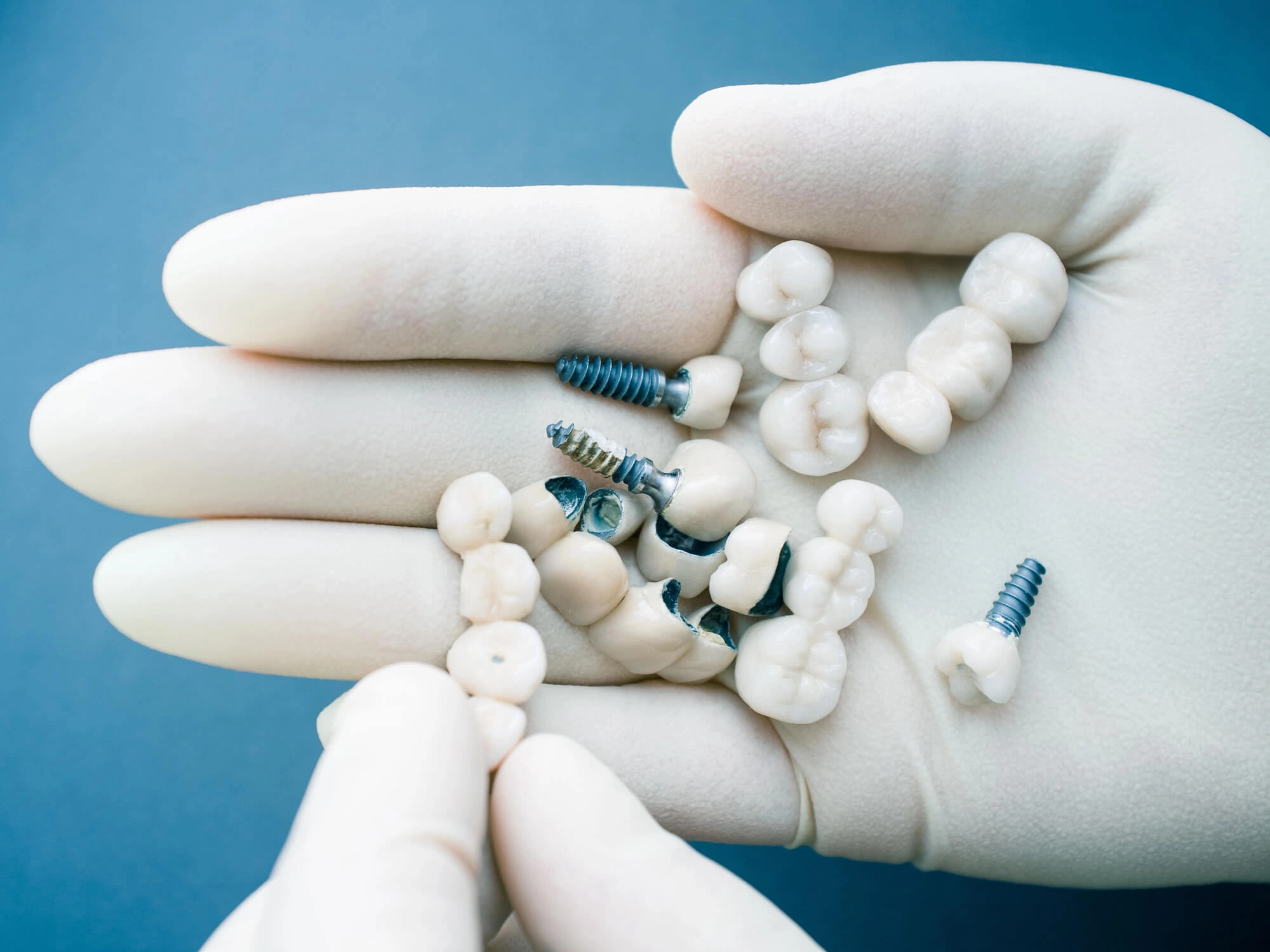
If you’ve recently typed best dental implants near me into a search bar, you may be asking yourself a bigger question: Are dental implants really worth it in your 30s or 40s? Many people assume implants are for retirees. The reality is different. Adults in their 30s and 40s are often ideal candidates—and in many ways, they benefit the most from acting sooner rather than later.
Tooth loss during these decades can feel unexpected. Careers are building momentum. Families are active. Social and professional responsibilities are constant. Living with a missing tooth can quietly affect confidence, comfort, and long-term oral health. The decision to replace it isn’t about age. It’s about protecting your future.

Why Your 30s and 40s May Be the Ideal Time for Dental Implants
Tooth Loss Isn’t Just a Later-in-Life Issue
Tooth loss can happen at any stage. Sports injuries, car accidents, untreated decay, failed dental work, or gum disease are common causes. Some adults are born without certain permanent teeth. Others lose teeth due to genetic factors that weaken enamel or bone support.
Losing a tooth in your 30s or 40s does not mean you’ve failed at oral care. It means something happened—and now you have options. Choosing the right replacement early helps prevent complications that develop when gaps remain untreated.
Bone Health Is Often Stronger Now
When a tooth is lost, the jawbone in that area begins to shrink. This process, known as bone resorption, can start within months. Without stimulation from a tooth root, the bone no longer receives the signals it needs to maintain density.
In your 30s and 40s, bone health is typically strong. That makes implant placement more predictable and stable. Dental implants act as artificial roots, stimulating the jawbone and helping preserve facial structure.
Waiting years to replace a tooth increases the likelihood of bone loss. That may require additional procedures like bone grafting. Acting sooner can simplify treatment.
Protecting the Shape of Your Face
Few people realize how much teeth support facial structure. The jawbone provides volume to the lower face. When bone shrinks, subtle changes occur. Lips may appear thinner. The chin may look closer to the nose. The lower third of the face can begin to collapse.
Replacing a missing tooth with an implant helps maintain bone and preserve natural facial proportions. For adults in their 30s and 40s, this can make a meaningful difference decades later. Prevention now protects appearance long-term.
Long-Term Financial Perspective
Dental implants involve an upfront investment. It’s natural to compare them to bridges or removable partial dentures. Short-term options may appear less expensive initially. Over time, maintenance, adjustments, and replacements add up.
Bridges often need replacement within 10 to 15 years. Partial dentures may require relining or remaking. An implant, when properly cared for, can last decades.
When viewed over 20 or 30 years, implants often become the more economical choice. Instead of replacing solutions repeatedly, you choose stability once.
Preserving Neighboring Teeth
Traditional bridges require reshaping adjacent teeth to anchor the restoration. That removes healthy enamel and places additional stress on those teeth.
Implants stand independently. They do not rely on neighboring teeth for support. Preserving natural structure becomes especially important when you expect many more years of oral health ahead. Protecting what you still have matters.
Chewing Strength and Nutrition
Missing teeth reduces bite strength. Many adults compensate without realizing it. You may chew more on one side. You may avoid certain foods. Hard fruits, nuts, or crunchy vegetables can become uncomfortable.
Dental implants restore chewing power close to that of natural teeth. Balanced chewing supports better digestion and nutrition. Over decades, consistent nutrition supports overall health. Comfort during meals improves daily life in subtle ways.
Confidence in Professional and Social Settings
Your 30s and 40s often bring leadership roles, networking events, and public speaking opportunities. A missing tooth may not feel urgent at first. Over time, small insecurities can build.
Some patients notice they smile less in photos. Others feel self-conscious during conversations. Restoring a complete smile supports confidence in both professional and personal settings. Confidence influences posture, tone of voice, and self-expression. Feeling comfortable in your smile can change how you carry yourself.
Recovery Is Often Easier Than Expected
Many adults hesitate because they imagine long downtime. Implant placement is typically straightforward. Most patients return to normal activities within a day or two. Mild soreness is manageable.
The implant integrates with the bone over several months. During that time, a temporary solution may be used. The final crown is custom-designed to match surrounding teeth. Clear planning and communication make the process predictable.
Health Considerations
Age alone does not determine candidacy. Overall health, bone quality, and oral hygiene habits matter more. Many adults in their 30s and 40s are in strong health, which supports successful healing.
Certain conditions require careful planning. Smoking may affect healing. Chronic illnesses should be well-managed. A thorough evaluation helps determine readiness. These decades often represent an ideal window for treatment.
Emotional Relief of Taking Action
Living with a missing tooth can create background stress. You may think about it more than you admit. Choosing to replace it often brings relief.
Patients frequently describe feeling “complete” again after implant placement. The decision removes uncertainty and restores normalcy. Peace of mind has long-term value.
Are There Reasons to Delay?
There are situations where temporary solutions are recommended. If medical conditions need stabilization or if finances require planning, short-term options may be used.
For many healthy adults, delaying replacement allows bone loss and shifting teeth to progress. Addressing the issue sooner simplifies care. The right timing depends on your goals and circumstances.

Are You Ready to Explore the Best Dental Implants Near You?
Dental implants are not just for later in life. In your 30s and 40s, you have the opportunity to protect bone health, preserve facial structure, and secure long-term stability. Acting now can prevent complications years from now.
At Mirror Lake, we understand that replacing a tooth is about more than appearance. We focus on preserving bone, protecting surrounding teeth, and restoring full function. We take time to explain your options and tailor a plan that fits your schedule and long-term goals. Our team prioritizes comfort, precision, and results designed to last.
If you’ve been searching for the best dental implants near me and wondering whether now is the right time, let’s talk. Contact Mirror Lake today to schedule a consultation. We’re here to help you protect your smile.
